
Category: Science
-

Whose Body? Islam, Surrogacy, and the Limits of Market Autonomy
Meghan Trainor’s announcement of her third child’s birth through surrogacy is the latest example of the ongoing debate over commercial surrogacy, particularly in wealthy circles. The discussion addresses the theological and philosophical considerations regarding bodily autonomy, consent, and the commodification of reproduction, emphasizing the Islamic perspective that prohibits such practices based on moral principles.
-

AI Failures: Misuse and the Implementation Gap
The article examines the current state of AI safety, focusing on mechanistic interpretability, value learning, and moral reasoning challenges. It identifies significant gaps in AI ethics, emphasizing the need for genuine moral reasoning capabilities. Additionally, it discusses corporate incentives that hinder ethical AI development and the inadequacy of current voluntary approaches.
-

AI Foundations: Moral Cognition and Universal Principles
The traditional approach to AI ethics, developing principles and guidelines after systems are built, has proven inadequate. Major technology companies routinely publish ethical AI principles while simultaneously deploying systems that violate these very principles in practice. A comprehensive study by Stanford University’s Human-Centered AI Institute found that while many technology companies have released AI principles,…
-

Decolonising Knowledge: Applications in Psychiatry
The author emphasizes the need for Muslims, especially in medicine and psychiatry, to reclaim their intellectual heritage from the effects of colonization, which has led to a secularization of knowledge. He advocates for a holistic understanding of knowledge, merging secular and sacred perspectives, particularly in psychiatric practice, to address modern mental health crises effectively.
-

In Defense of the Miraculous Creation of Prophet Adam
The notion of common ancestry of all species — including humans — seems to be irreconcilable with the traditional account of Adam’s miraculous creation without ancestors.
-
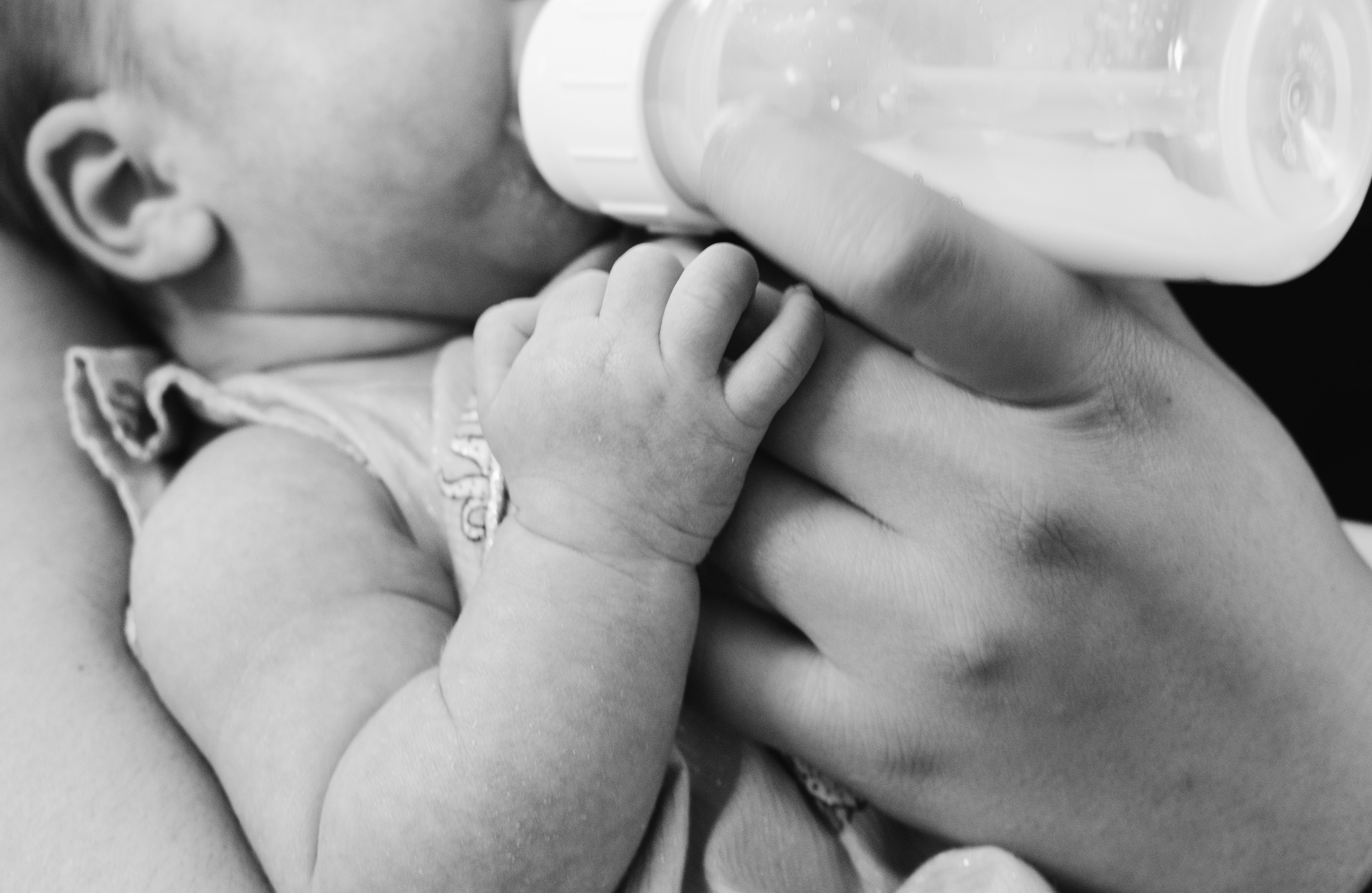
Lab-Grown Breast Milk: The Intersection of Science, Ethics, and Islamic Jurisprudence
The great theologian Imam Al-Haramayn Al-Juwayni narrated a story from his father in what is a profound lesson in rizq: Upon receiving the news that his wife was expecting, Imam Al-Haramayn’s father took great care to ensure the money he provided his wife with was only directly earned from halal means. After Imam Al-Haramayn was…
-

From Principles to Patients: Darul Qasim College’s Approach to Islamic Bioethics
What is the ‘Muslim’ response to June 24th, when the Supreme Court overturned Roe v. Wade, allowing states to develop their own standards for abortion laws? How can shifāʾ — the all-encompassing cure mentioned in the Quran — inform the modern drug development pipeline? Where can Muslim physicians draw on their desire for ihsān (excellence)…
-
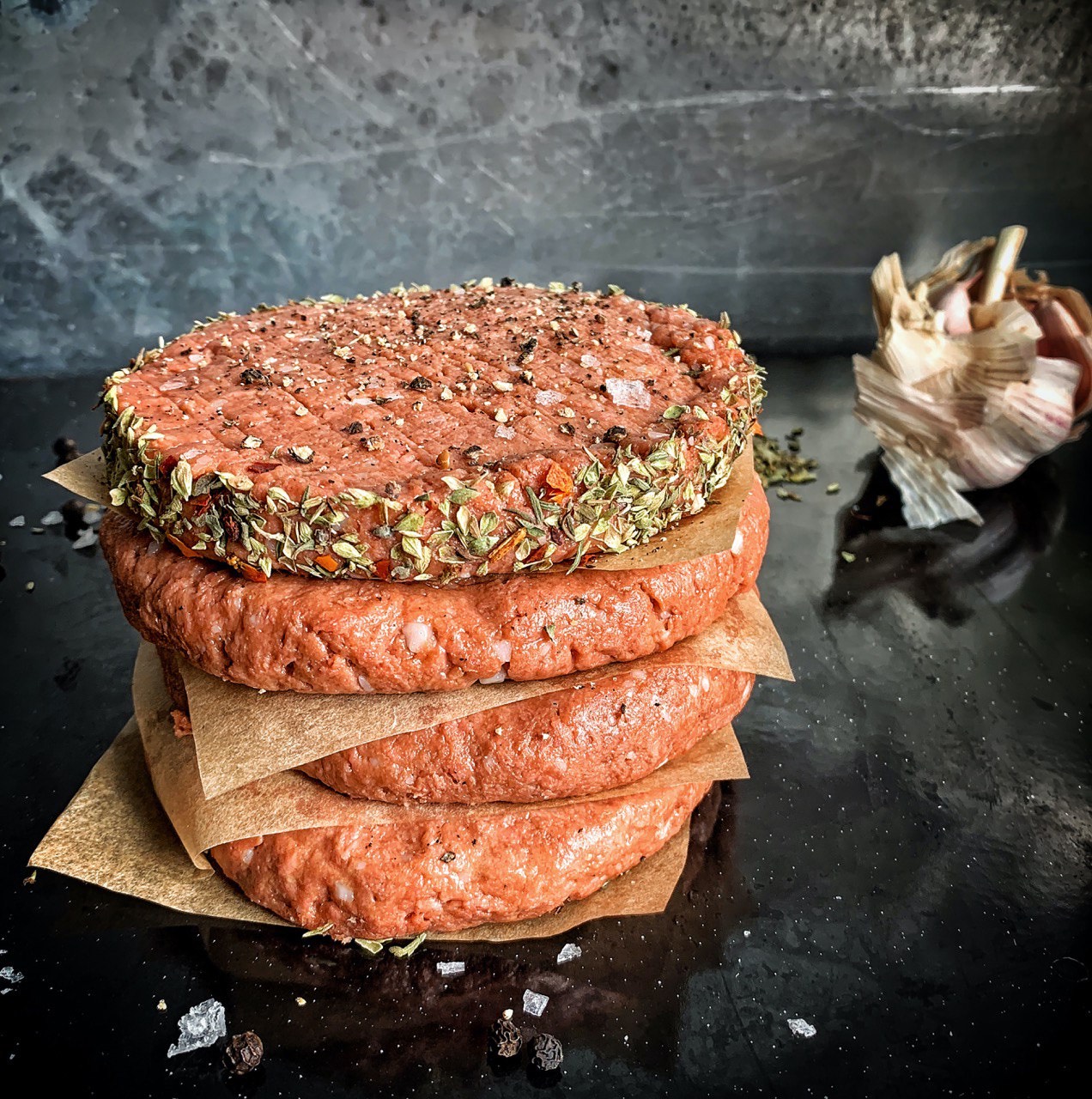
Religion and Pork: Issues With Alternative Meats
In a previous article, I outlined some issues ‘ulema have discussed with cultured (also known as lab-grown) meat. One is the impossibility of a blanket replacement of meat with lab-grown meat in light of religious obligations and recommendations of slaughter on certain occasions. The American Fiqh Academy’s fatwa (ruling) from Mufti Abdullah Nana, Abrar Mirza,…
-

Towards Implementing an Islamic Framework in Medicine
A transcript of Shaykh Amin Kholwadia’s lecture delivered in Amman, Jordan in 2017 regarding the impact of Maturidi kalam on bioethics was published this month.[1] Earlier this summer, I released an article on challenges and opportunities for Muslims to become live players in American healthcare. For the theoretical frameworks of scholars and researchers to manifest,…
-

Islamic Investment in U.S. Healthcare
Medieval hospitals in the Islamic world were backed by endowments (Waqf), and the impoverished were supported through charity (Sadaqah and Zakat-ul-fitr).