
Category: Society & Culture
-

The Shadows of the West: On the Fate of Civilizations, Von Franz and Islam in Europe
Professor A. Alejandro Espinoza explores how Western identity has historically been constructed in opposition to an “Other,” particularly focusing on Islam. It discusses the psychological effects of this dichotomy, drawing parallels between ancient Greece, Christianity, and modern perceptions of Islam. Ignoring the “Shadow” leads to societal repercussions, affecting collective destinies.
-
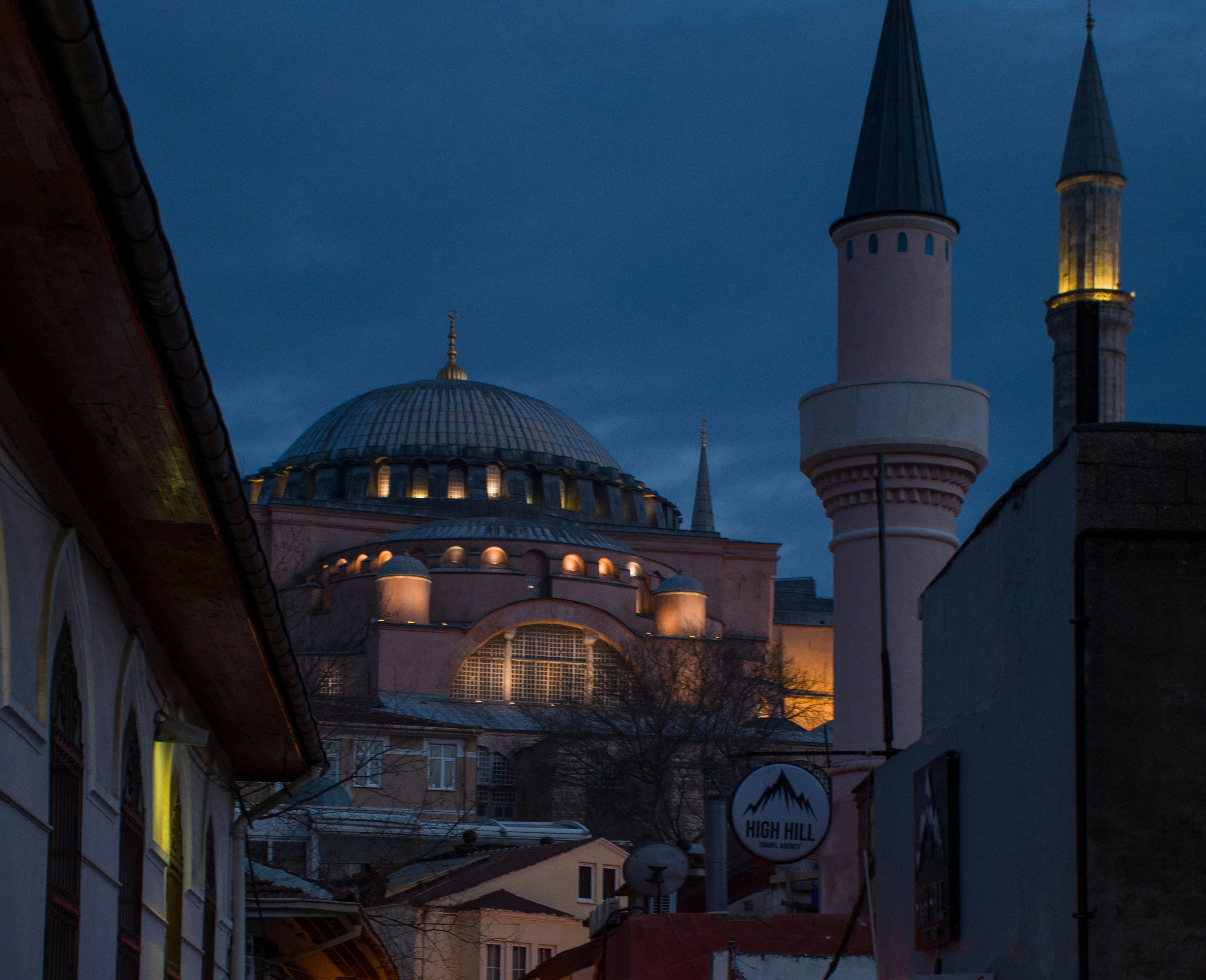
Dreaming the Prophet: The Role of Visionary Encounters in Ottoman Civilization
During the 2020 pandemic lockdown, a friend who had taken my recommendation to watch “Dirilis Ertugrul” shared his impressions with me. “I appreciate the Islamic elements they portray,” he remarked, “but as entertainment, I found those dream sequences tedious—Suleyman Shah appearing in Ertugrul’s dreams, sometimes Ibn al-Arabi showing up…it became quite irritating.” I responded that…
-

Umar Qazi of Veliyankode: The Poet, Scholar, and Revolutionary of Malabar
Umar Qazi of Veliyankode is a distinguished figure in 19th-century Kerala, revered for his profound contributions to Arabic poetry and Prophetic praise. Renowned for his works, he was also a symbol of resistance during British colonization. Qazi’s poetry blends spiritual devotion with cultural exchange, stylistic elements of both the Arabic and Malayalam tradition, leaving a…
-

A Critical Appraisal of Islamic Feminism on Patriarchy and Division of Labor
Fatima Mernissi (1940 – 2015) is widely regarded as a pioneer of Islamic feminism, particularly for her critiques of patriarchy in Muslim societies. Through works such as Beyond the Veil (2003), Women’s Rebellion and Islamic Memory (1996), and Women and Islam (1991), Mernissi challenges male-dominated interpretations of Islamic texts, arguing that women’s subjugation is deeply…
-

The Evolution of Prophetic Praise Poetry in Kerala
The golden age of Prophetic poetry, marked by Al-Būṣīrī, greatly influenced the literary landscape in South India, especially through the works of Umar Qazi. Eulogies, rooted in Arabic tradition, served as historical documents and expressed profound devotion to the Prophet Muhammad (ﷺ). This genre transcended boundaries, inspiring both Muslim and Christian poets.
-

Utilizing Fairytales as Tarbiyyah: Hamra and the Jungle of Memories’ Approach
While most curricula revolving around tarbiyyah favor realities—the practice of prophets (may peace be upon them) and pious predecessors (may Allah have mercy on them)—there are growing opportunities to leverage fantasies. Fairytales and folklore already operate as tarbiyyah in a secular sense: to warn children of the consequences of negative characteristics and to reinforce the…
-

How Hamlet was Meant to Be, or Not to Be
Hamlet. The name can be synonymous to “hero” or “villain.” Feminists may paint him as misogynistic because of his dialogue towards Gertrude and Ophelia, while communists might characterize Hamlet as a thwarted revolutionary in his struggle against Claudius and Polonius. So which view is the correct one? Is there a correct one? The glasses recommended…
-

To Him We Return: The Laws of Dying in the U.S.
In Crestone, Colorado, a wooden stretcher lies atop the carefully arranged logs of a pyre, the flames ready to scorch through bones and flesh as loved ones bid farewell. Nestled in the Rocky Mountains, this town holds a unique distinction in the United States as the only location where open-air pyre cremations are permitted. While…
-

The Artist and the Nafs in Modernity
This epitomizes the phenomena of the modern artist, marketing themselves as a part of the art, rendering the art and its meaning as secondary. The commercialization of art and the aggrandization of the self become imperative in propelling the artist’s quest for financial gain. In essence, art is now judged on its ability to be…
-
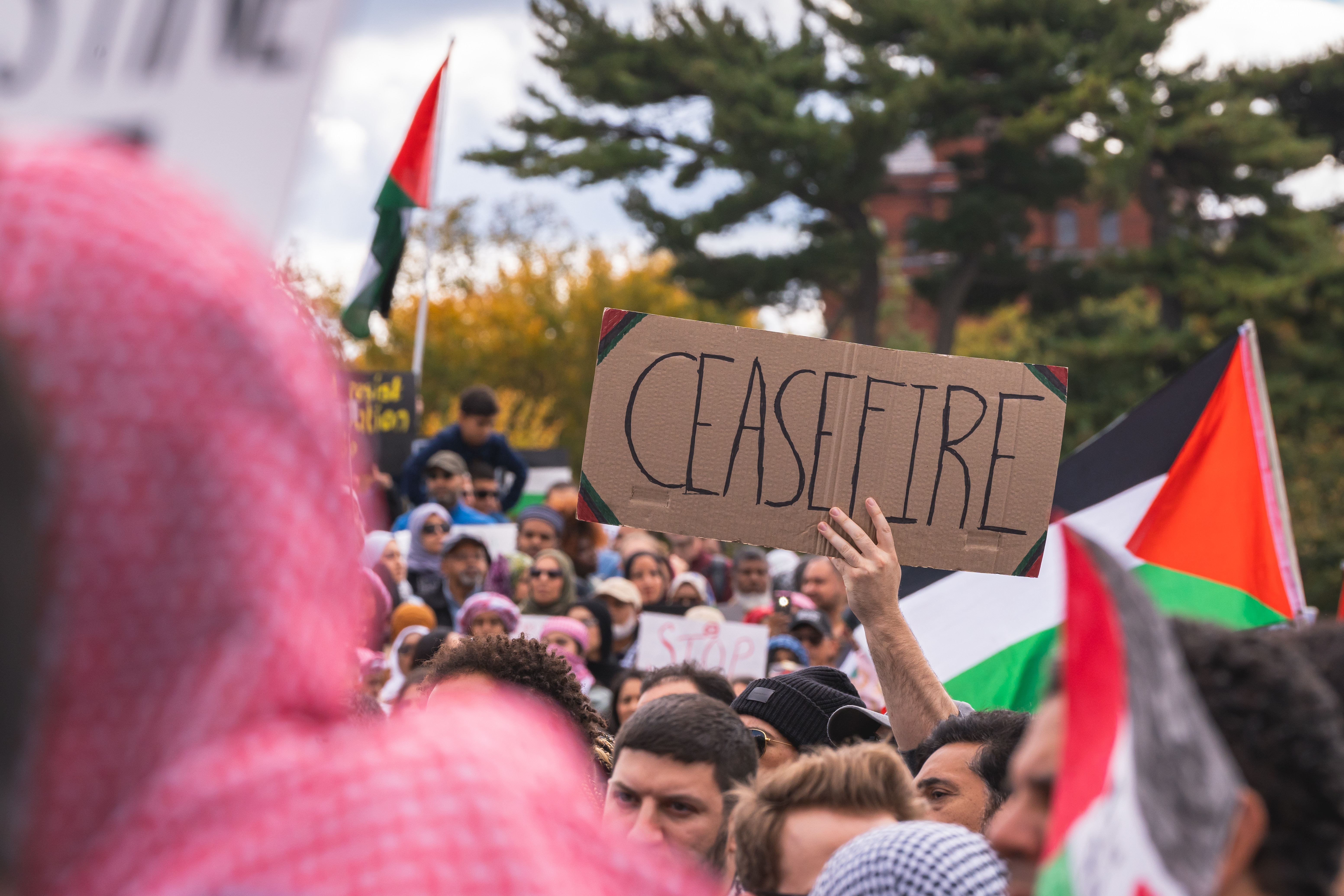
Genocide in Palestine and Western Support
Raphael Lemkin (1900–59), a Polish-Jewish jurist, coined the term “genocide” and popularized it in a global context. International law clearly defines genocide in Article 2 of the Convention on the Prevention and Punishment of the Crime of Genocide, 1948. The stages of genocide do not necessarily have to occur step-by-step. If some of these elements…