
Tag: Culture
-

Naruto and Other Godless Heroes: Can Manga Bear The Weight of Islam?
Bringing manga and Islam into conversation is, at its core, an attempt to explore where human moral imagination meets divine revelation. The question that begs to be answered is: can artistic imagination, through its sincerity, still orient the heart toward a transcendent source it no longer names? Is the persistence of moral beauty within the…
-

Language Preservation as Cultural and Spiritual Resistance
Encouraging parents to speak their native languages with their children promotes cultural identity and connection, supports familial bonds. Speaking native languages enhances children’s cognitive development and moral understanding.
-
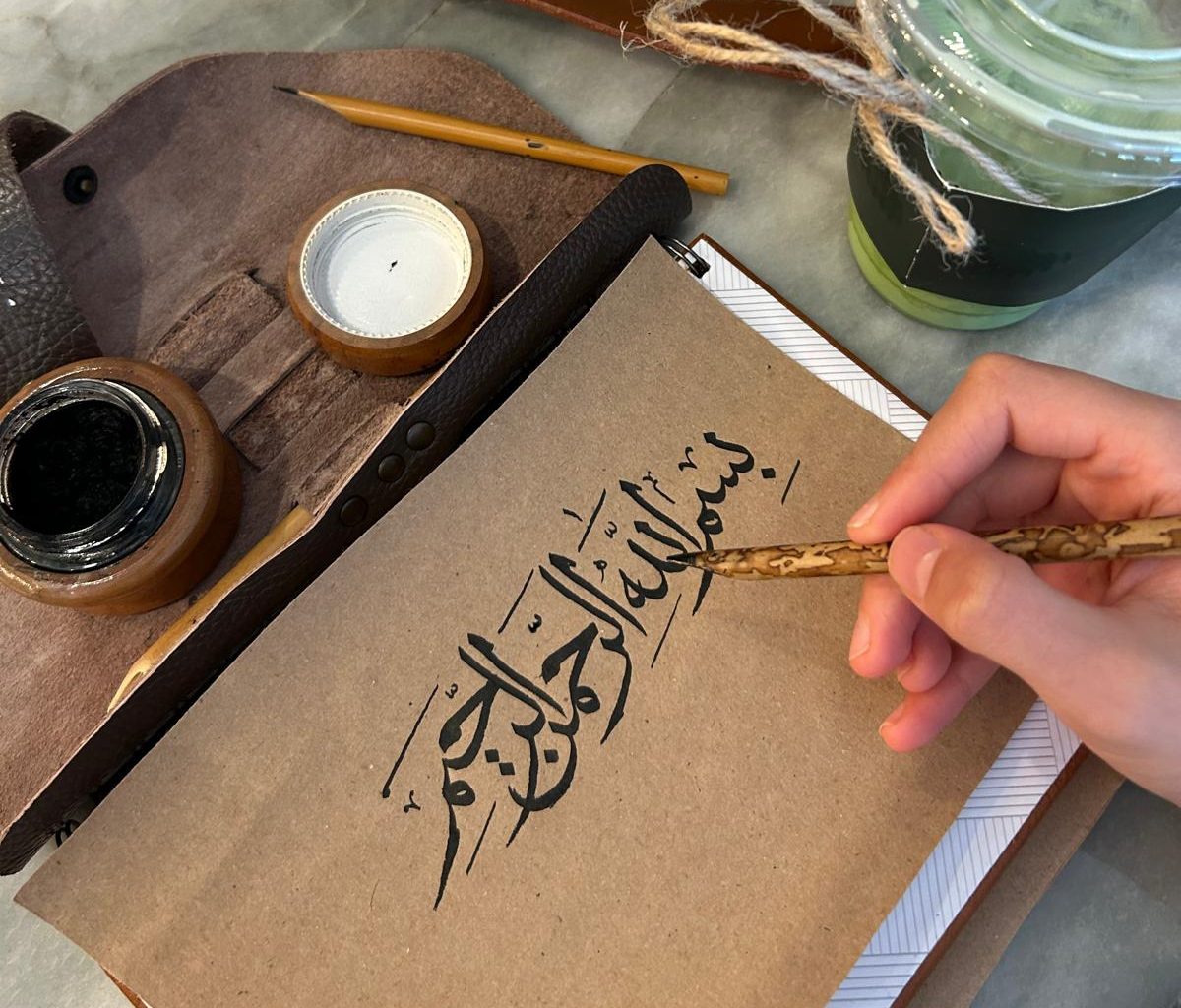
An Introduction to Arabic Calligraphy: Q&A with Ihsan Design Studio
Zahra Abdulameer, founder of Ihsan Design Studio, discusses her journey in Arabic calligraphy, as both an art and science taught from master to student. Based in Dearborn, Michigan, she strives to create meaningful art that honors tradition while embracing innovation. Her practice reflects sincerity, excellence, and a connection to the Qur’an.
-

Preserving Islamic Culture in the Age of Artificial Intelligence: A Reflective Inquiry
The content emphasizes the need for Muslims to navigate the rise of Artificial Intelligence (AI) thoughtfully and ethically, preserving their spiritual and cultural heritage. It argues against blindly adopting technology, urging a conscious engagement rooted in Islamic values to maintain communal relationships, spiritual depth, and moral integrity in a rapidly changing world.
-
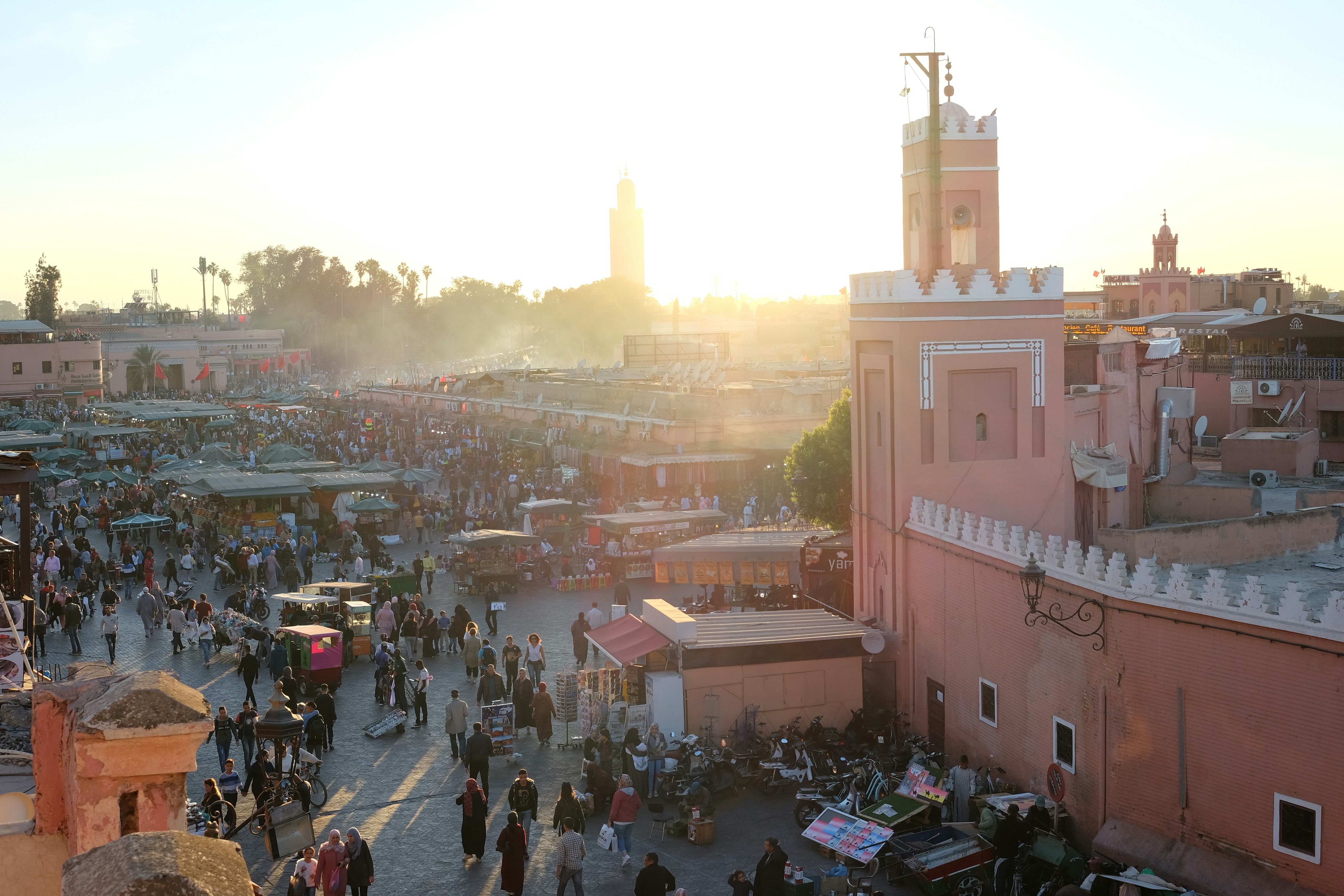
The Ramadan/Eid Bazaar
The Ramadan/Eid bazaar exemplifies the integration of morality within economic activities, fostering community connections while honoring religious values. By navigating the tension between secular and sacred realms, these bazaars help Muslims embody their ideals through practical engagement in economic life.
-

Islamic Fiction and Crafting a Muslim Hero: A Book Review of Blood of the Levant
Defining a “Muslim” or “Islamic” fiction genre can be challenging due to considerations of permissibility, creativity, and purpose. Omar Braun, the protagonist of Abdullah Yousef’s debut novel, Blood of the Levant, exemplifies this perfectly. The world of Blood of the Levant is part historical-fiction and part military fiction, with a dose of fantasy.
-

Panegyric Poetry and the Poetics of Panache: Exploring the Rich Heritage of Mappila Songs
The word Mappila (sometimes pronounced as Moplah) comes from the ancient Dravidian language, meaning “great child” (maha, “great” and pilla, “child”). The Mappilas today are for the most part descendants of foreign traders from the Middle East who visited the southwestern coast of India, known as the Malabar Coast, through Indian Ocean trade routes.
-

Soetsu Yanagi: ‘The Beauty of Everyday Things’
“The Beauty of Everyday Things,” is a compilation of writings by Soetsu Yanagi (1889 – 1961), an art historian and philosopher of religion, who founded the Mingei (民芸) movement of Japanese folk art, inspired by the beautifully hand-crafted objects created by ordinary and often unknown artisans for everyday use. [1] Influenced by John Ruskin and William Morris, his…
-
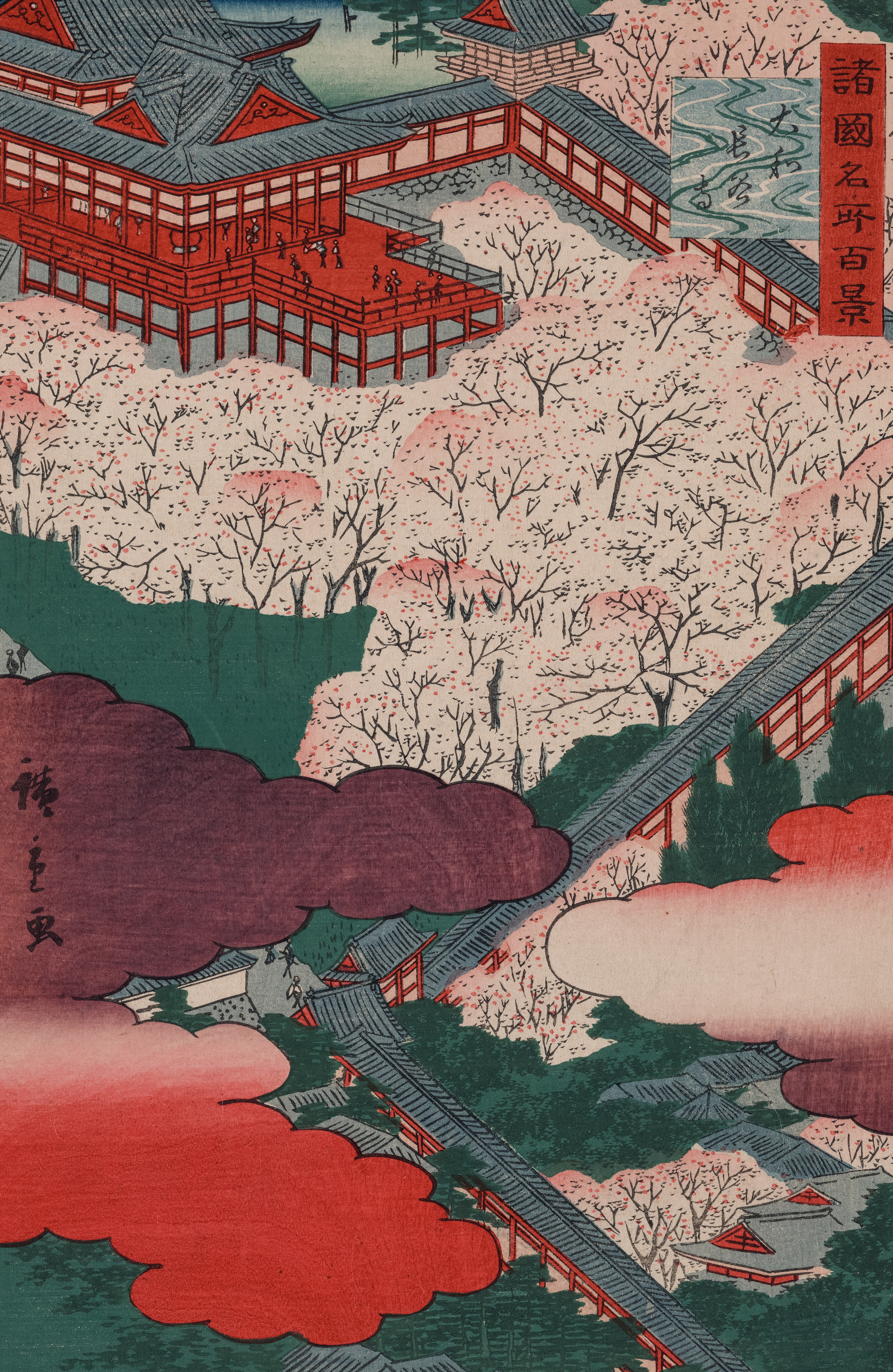
Is it Possible to Create a Japanese Islamicate Culture?
In history, Islam showed itself to be culturally friendly… In China, Islam looked Chinese; in Mali, it looked African. Sustained cultural relevance to distinct peoples, diverse places, and different times underlay Islam’s long success as a global civilization.
-

Towards An Islamic Theory of Culture Part I: On Culture & The West
While the term “cultural studies” would not emerge as a distinguished academic discipline until the 1960s (with the establishment of the Centre for Cultural Studies in Birmingham), culture as an aspect of social life was first given serious consideration in the nineteenth century. During this period, many of the thinkers occupying the academic sphere of…