
Tag: islam
-

The Mosque on Church Street
Despite his best efforts, Imam Kenan, upon seeing the meager congregation gathered before him, could not help but reminisce about the grand opening of this mosque here on Church Street.
-
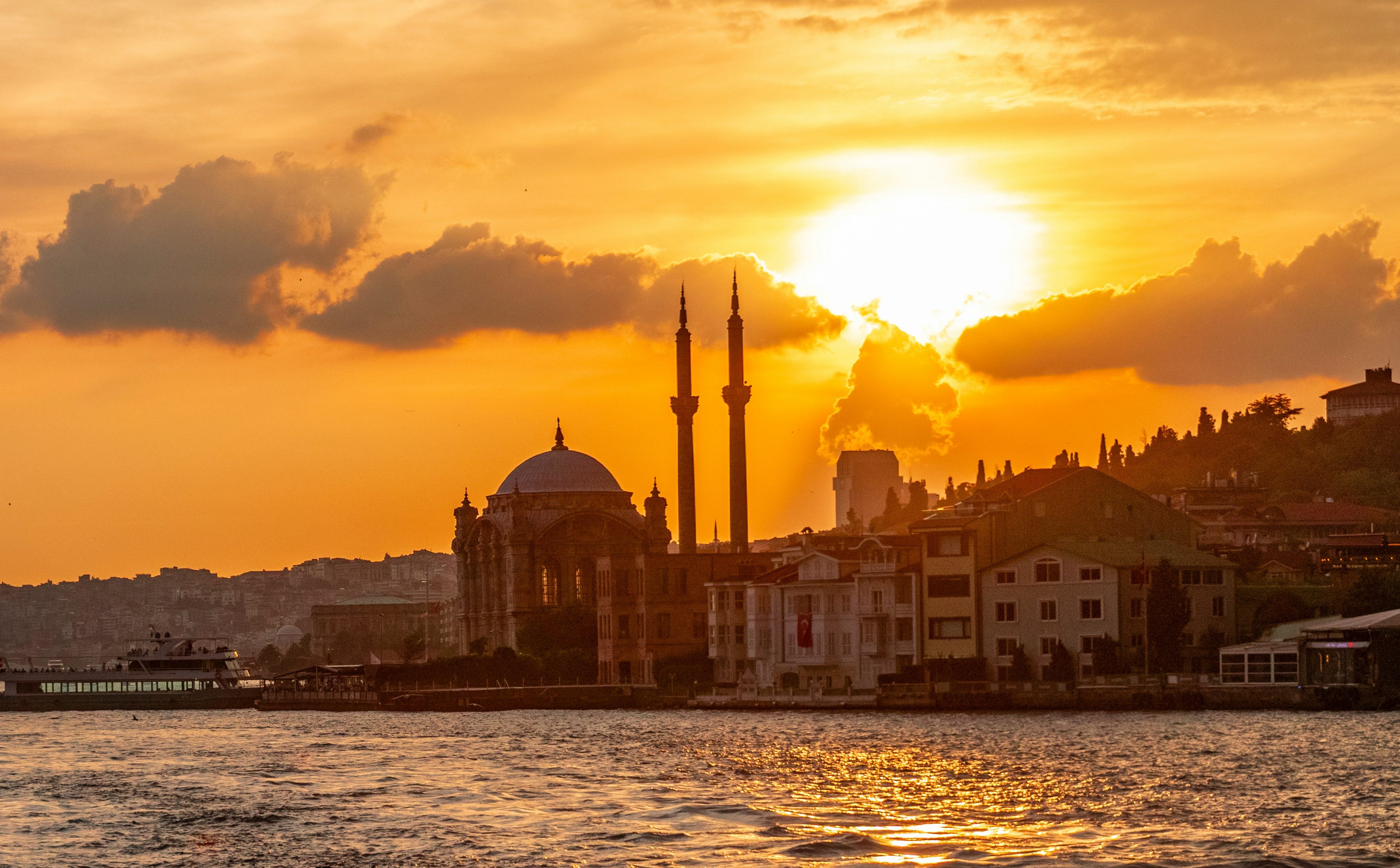
Sharīʿah in the Modern World: Reviewing Mashal Ayobi’s ‘The Light We Lost’
A Book Review of The Light We Lost: Grappling with Shariah in the Modern World by Mashal Ayobi The aftermath of the catastrophic Bondi shooting, and the start of Zohran Mamdani’s term as Mayor of New York, has put Muslims, terrorism, the Sharīʿah and the like back into the limelight of oriental focus, the favored…
-

I am no Ibn Battuta
I have a friend who has travelled far and wide from the bustling streets of London to the dusty dunes of Mauritania and across the Islamic world. He often tells me that I am the true traveller and that he is not.
-

After Bondi, Taking Responsibility
Shortly after the Bondi attack, on the quiet street in Canberra on which I live, an Australian flag appeared in front of one of the houses. Under normal circumstances that would be completely innocuous. But circumstances are not normal. Anyone who has been following happenings elsewhere can surmise what the flag might mean. Perhaps, and…
-
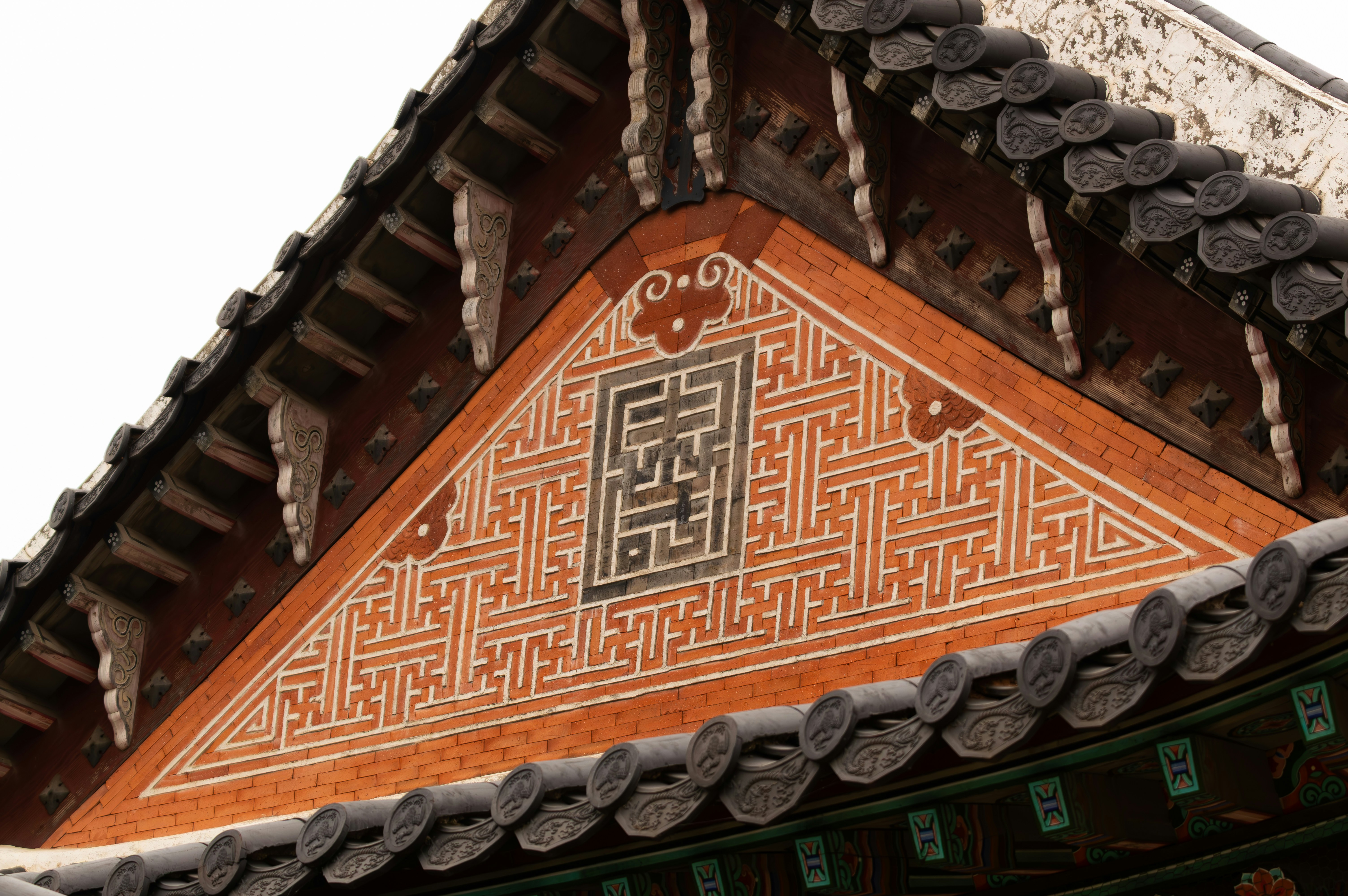
Vernacular Voices, Universal Wisdom: Liu Zhi and the Making of a Sino-Islamic Tradition
The Islamic intellectual tradition has never lived by doctrine alone; it has lived by its capacity to speak truly in the languages of the people who carry it. I believe its remedy is twofold: internal repair, a disciplined return to our theological and ethical sources; and lateral expansion, the cultivation of dialogues beyond the West,…
-

Decolonizing the Muslim Mind: Returning to al-Attas’ Vision
This essay argues that the challenges faced by the contemporary Muslim ummah cannot be resolved by political slogans, technical reforms, or cultural revivals alone. Instead, it calls for a deep decolonization of the Muslim intellect—an epistemological transformation that revives adab and re-establishes knowledge in its proper hierarchy.
-

Language Preservation as Cultural and Spiritual Resistance
Encouraging parents to speak their native languages with their children promotes cultural identity and connection, supports familial bonds. Speaking native languages enhances children’s cognitive development and moral understanding.
-

Beyond Colonialism and the Deobandi Imperative
Shaykh Amin’s address highlights the psychological impact of colonization on Muslims, linking current struggles to historical traumas. He emphasizes self-empowerment through adherence to Islamic values, urging a shift from despair to hope. By studying the Quran and the Prophet’s life, Muslims can overcome “post-colonial PTSD” and regain unity and purpose.
-

How to Make It Halāl: Getting to the Meat of a Muslim Romance
This short explores the nuances of halal romance in Islam, highlighting the importance of marriage as an act of worship and the need for careful adherence to Islamic principles in contemporary narratives and fictional portrayals.
-

A Critical Appraisal of Islamic Feminism on Patriarchy and Division of Labor
Fatima Mernissi (1940 – 2015) is widely regarded as a pioneer of Islamic feminism, particularly for her critiques of patriarchy in Muslim societies. Through works such as Beyond the Veil (2003), Women’s Rebellion and Islamic Memory (1996), and Women and Islam (1991), Mernissi challenges male-dominated interpretations of Islamic texts, arguing that women’s subjugation is deeply…