
Tag: Featured
-
Correspondence
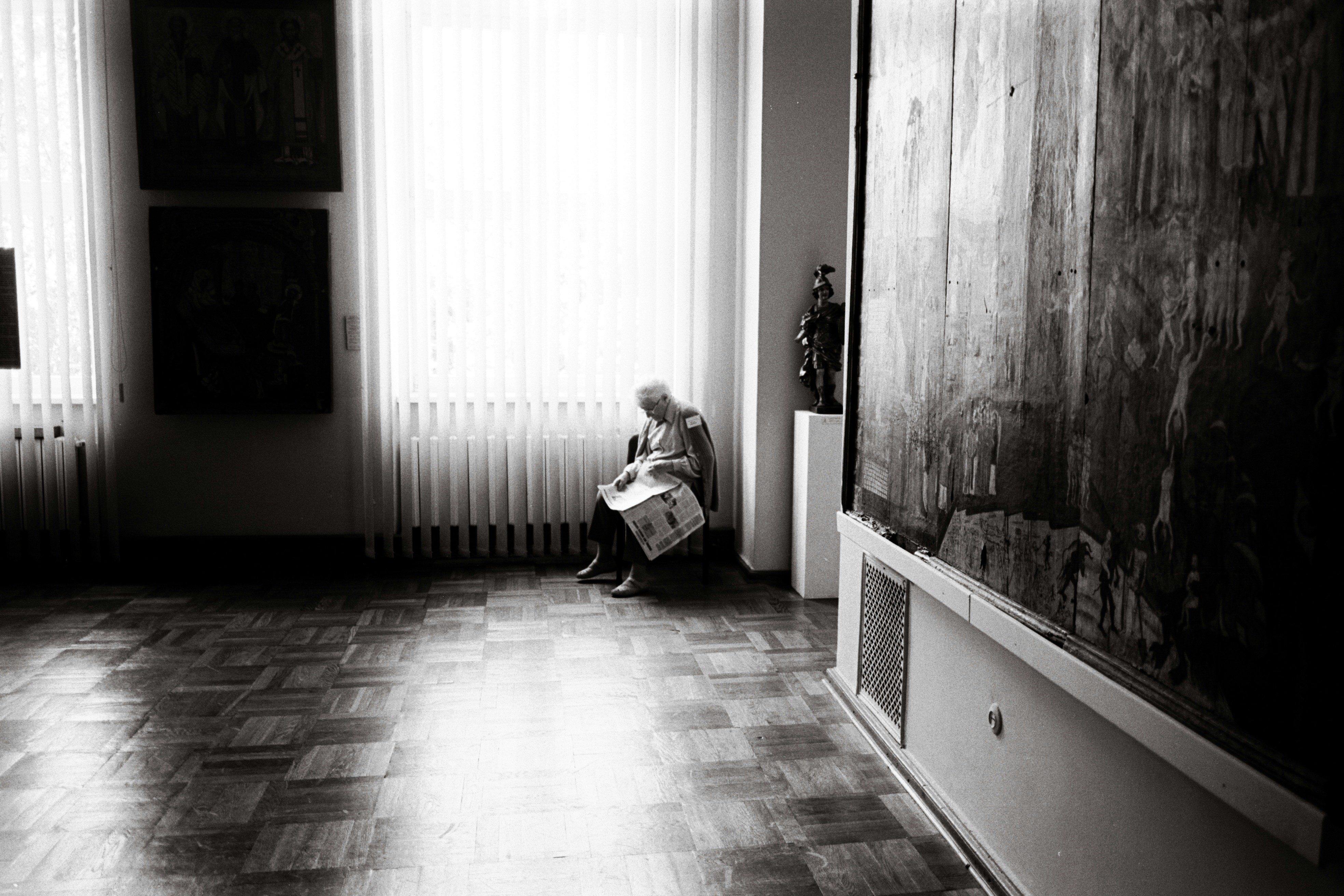
And how good it feels to write again—to truly write!—with pen in hand, paper on desk, and the ink staining the edge of my palm as it rubs against the page to move to the next line! And to think that we’ve done away with the handwritten letter and replaced it with keyboards and touch…
-

From Morocco to Malabar: The Transnational Journey of Dalā’il al-Khayrāt Beyond Borders
n this article, the author examines the underexplored Sufi connections between North Africa and South Asia by analysing the core contents of the 15th-century Moroccan prayer manual, the Dalā’il al-Khayrāt.
-

Book Review: Adeel Hussain’s Law and Muslim Political Thought in Late Colonial North India
Adeel Hussain’s Law and Muslim Political Thought in Late Colonial North India takes up this neglected decade, arguing that colonial legal debates—far from being a mere instrument of domination or governance—became a crucial site for the reconfiguration of Muslim political concepts.
-

Asabiyyah, Social Cohesion, and Moral Renewal: Ibn Khaldūn’s Insights for Contemporary Muslim Societies
The rapid movement to urban centers has disrupted traditional family ties and the sense of community within neighborhoods, while the overwhelming reach of digital connectivity has, paradoxically, diminished the richness of daily interactions that once fostered moral responsibility. Ibn Khaldun (d. 1406) stands out among pre-modern thinkers due to his systematic approach to analyzing the…
-
Fiction’s Lessons in Qadr: Ted Chiang’s ‘The Merchant and the Alchemist’s Gate’
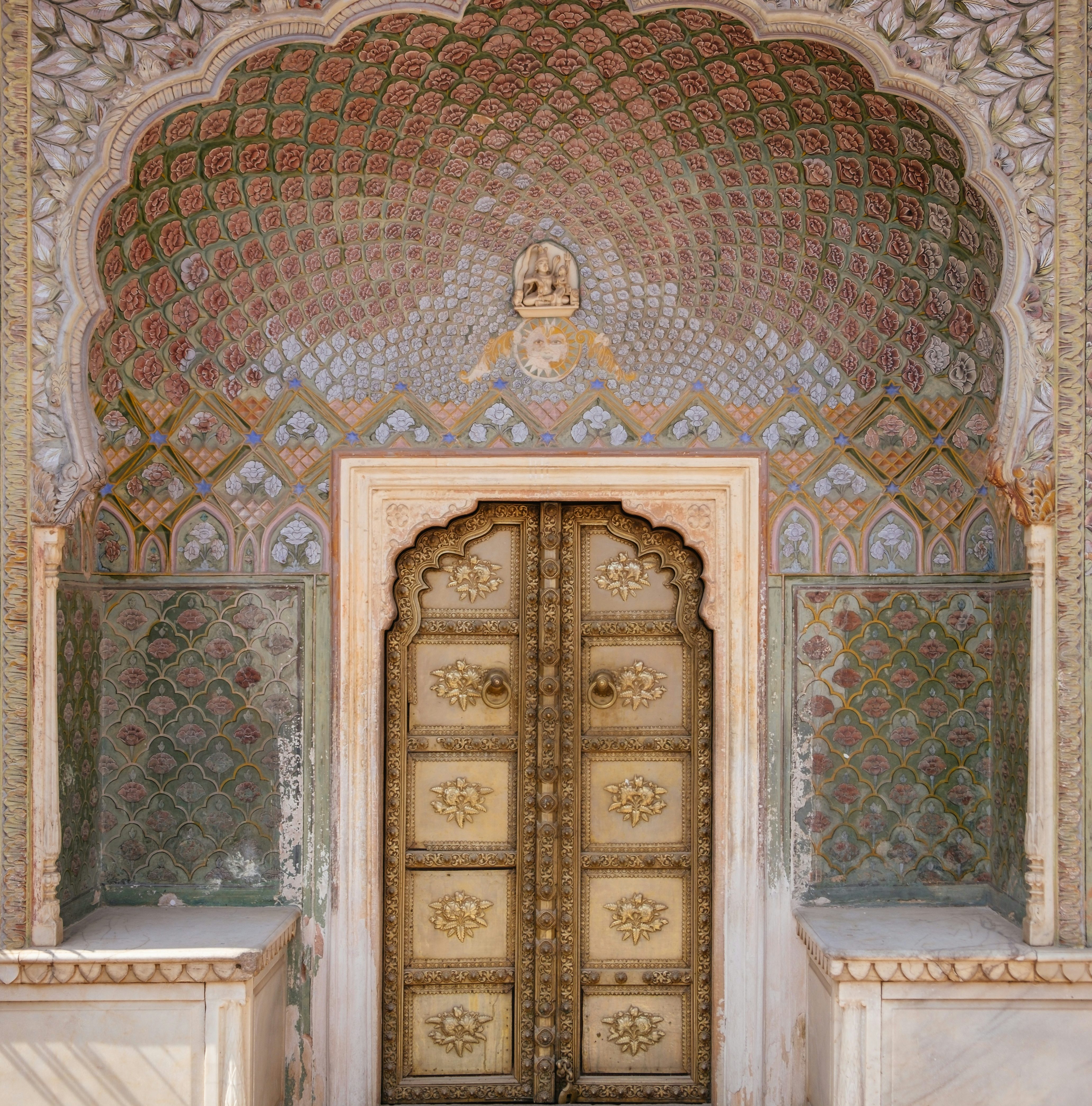
Ted Chiang’s “The Merchant and the Alchemist’s Gate” explores themes of time, free will, and divine decree through the story of a merchant, Fuwaad, who learns about repentance and accountability through time travel. Nested tales illustrate moral lessons, emphasizing that while the past is fixed, knowledge of it shapes present actions.
-
Faith at the Frontiers of Cancer Care
Shaykh Amin Kholwadia at Crescent Oncology’s Jumuʿah at ASCO The American Society of Clinical Oncology—better known as ASCO—gathers tens of thousands of members of the oncology community for a conference in Chicago at the end of May and the start of June every year. The meeting has long since outgrown most convention centers, and in…
-

Defying Big Brother: The Right to Be Unseen
Just as the new millennium set in, the dot-com bubble imploded. Silicon Valley’s t-shirt-wearing CEOs, high on the bravado of venture backing, fell sharply; the wind knocking the thin membrane of their vehemently advertisement-free companies. As the icy air of the ‘real’ world set in, a state of exception began and never lifted. In their…
-

Manqus Mawlid: Tracing Literary Networks in Malabar
“Verily, there is some incantation in eloquence and some wisdom in poetry…”((Sahih al-Bukhari 5767)) Poetry has the ability to manipulate and influence people in the most intangible way, as it speaks directly to the soul. A good poem must consist of wisdom that is created upon a world from the poet’s perspective, lost in beauty…
-
What the Haram Could Not Keep Out
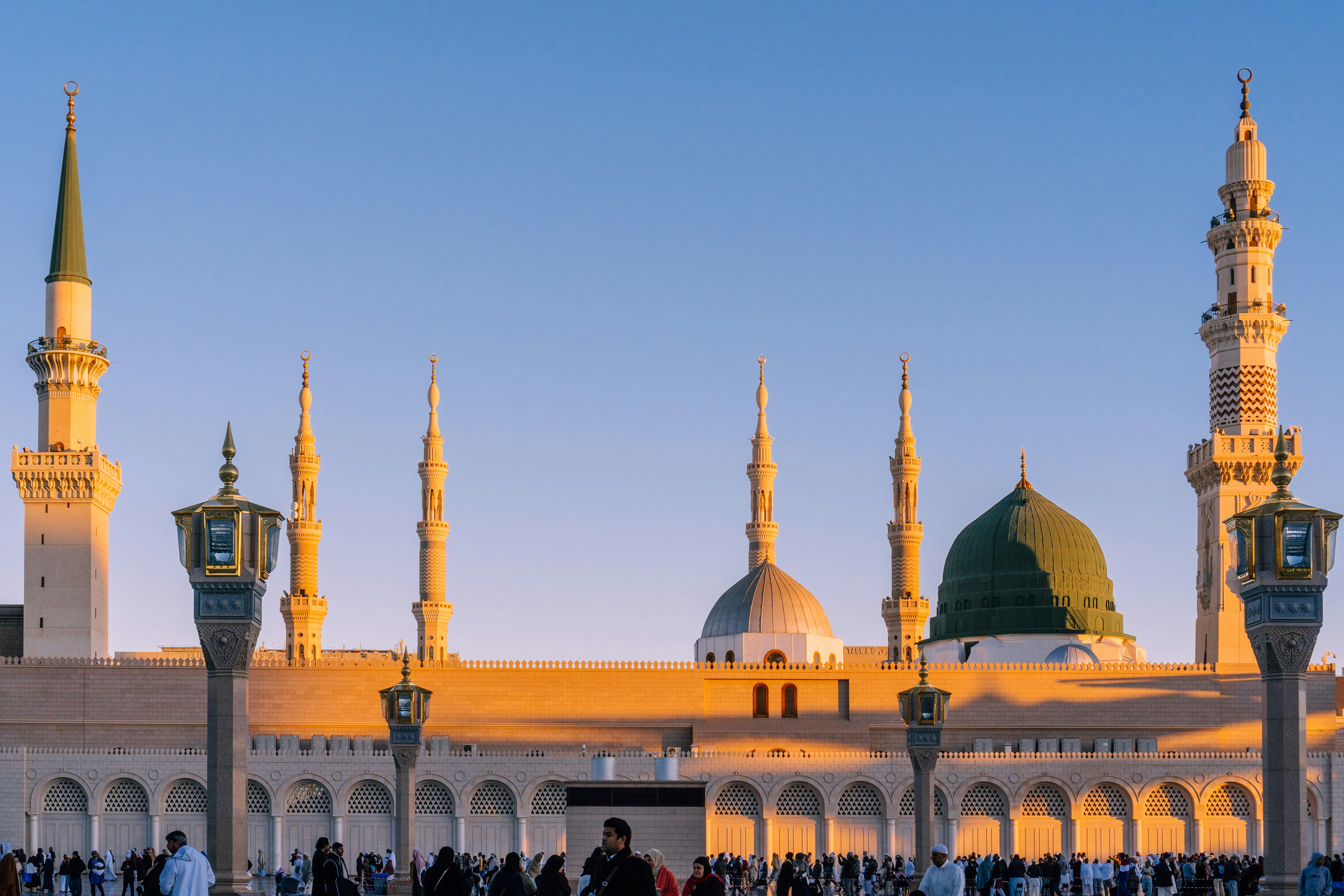
The author explores the tension between capitalism and spirituality experienced during Ramadan in Madina.
-

Predicament: Iqbal or Iqbal’s?
Muhammad Iqbal is under siege from both sides. Liberal-secular critics dismiss him as a provincial mind intoxicated by the West, whose reconstruction of Islamic thought amounts to European modernity clumsily draped in Qur’anic rhetoric. South Asian hagiographers have made him untouchable. Neither camp serves him well. More recently, a far more serious challenge has emerged…