
Tag: Muslims
-
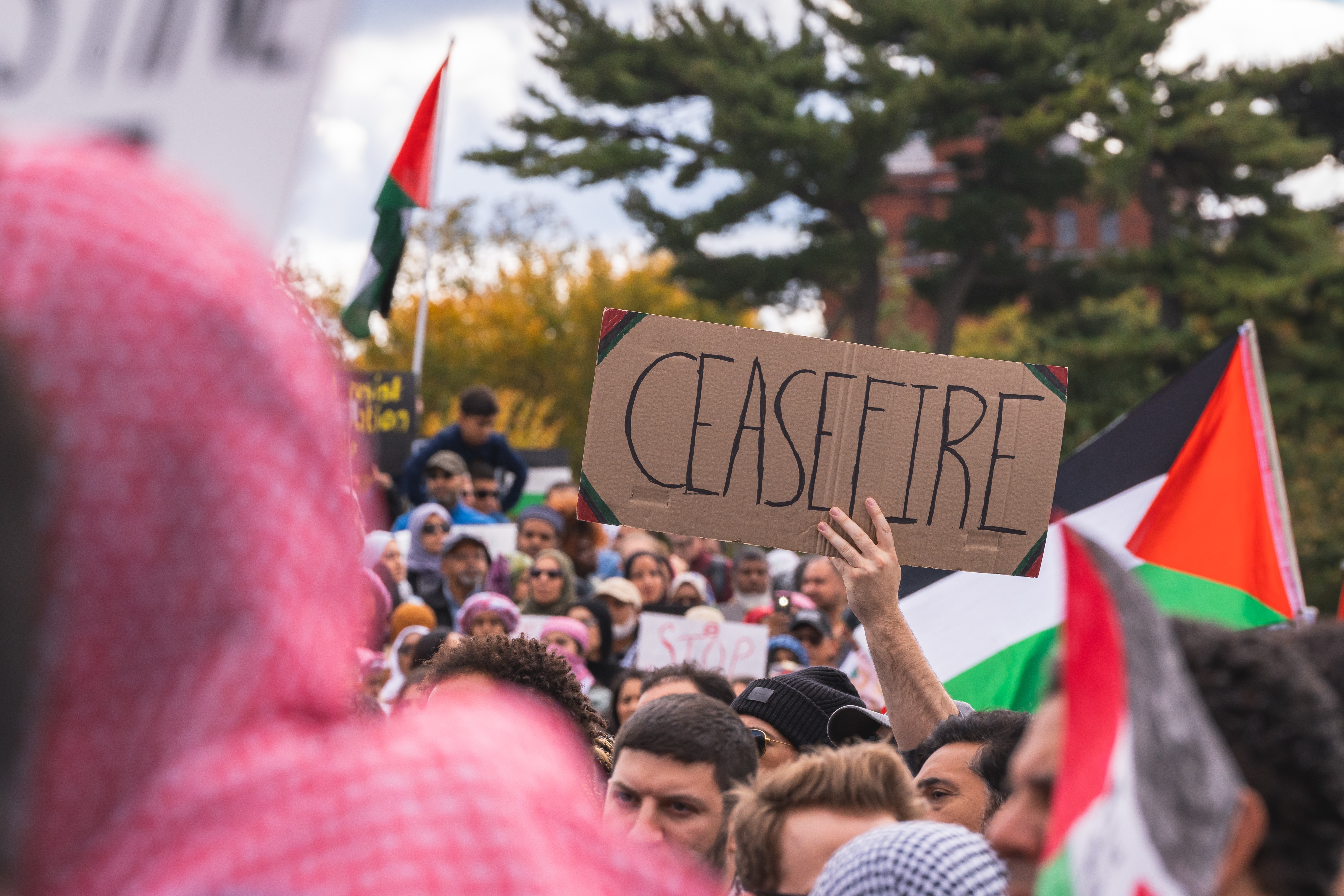
Genocide in Palestine and Western Support
Raphael Lemkin (1900–59), a Polish-Jewish jurist, coined the term “genocide” and popularized it in a global context. International law clearly defines genocide in Article 2 of the Convention on the Prevention and Punishment of the Crime of Genocide, 1948. The stages of genocide do not necessarily have to occur step-by-step. If some of these elements…
-

Vignettes on Hajj
As the dusty, weary, thirsty pilgrims approach the blessed house they fall into orbit around it, eyes full and hearts yearning, hands outstretched towards the magnetic black cube towards which they prostrate back home. This lonely brick structure in the middle of an uninviting desert, unremarkable save for its symbolism, continues to attract longing souls…
-

7 Modern Deadly Sins and Misunderstandings: Clarity
Understanding and Critiquing Certain Common Sense Moralisms in Modern Society Previously, we discussed the moralism of determining when exclusivity functions and certain misjudgments we make regarding the moral weight of things. The following discussion ties into another issue in conceptualizing popular sentiments in modern ethics – namely, our severe lack of moral clarity, sincerity and…
-

The Perplexing Status Quo for Muslim Fiction
In the category of young adult (YA) fiction, one can find a relatively solid number of Muslim-oriented novels, some of which are consistently championed in the Muslim novel-reading community for their positive representation of Muslims. Through mass marketing, these portrayals are lauded and viewed as authentic. Though I do not personally read young adult fiction,…
-

Why I Translated al-Sulami’s ‘Futuwwa’ Into Japanese
When I give lectures on Japanese culture in Turkey, I often receive the following question: “How are the Japanese so moral when they have no religion?”
-

Halal Consumption and Our Spiritual Health
We must be scrupulous in what we eat because the rest of human civilization depends on us. The actions of non-Muslims are not as important as the actions of Muslims — it is the actions of Muslims that govern the welfare of the entire planet. We are responsible for what happens in the world. Our…
-

Andrew Tate and the Ethics of Sincerity in Digital Engagement
There is an obvious question for consideration here: why do some people come out in support of Tate while others come out against him? Why do some people seemingly materialize out of thin air to say we must have a good opinion of him, while other more progressive-leaning individuals come out to say Tate deserves…
-

The Ibn ‘Arabī Connection: How Akbarian Metaphysics Shaped South Asian Sufism
To those that, like me, spent their lockdown evenings watching Diliriş: Ertuğrul, Ibn ʿArabī will be a familiar name. Draped in the robes of a dervish, Ozman Sirgood’s character wanders the landscapes of medieval Anatolia, dispensing scriptural wisdom and delivering spiritual guidance to the eponymous protagonist and his plucky tribespeople.
-

علماء المسلمين في اليابان: التفكر في الإسلام في مجتمع غير مسلم
ما يلي مقتبس من محاضرة الدكتور قييم ناوكي ياماموتو ، العلماء المسلمون في اليابان: التفكير في الإسلام في مجتمع غير مسلم. وهو جزء من سلسلة محاضرات من ثلاثة أجزاء بعنوان “شرق آسيا والإسلام: الحاضر والماضي والمستقبل” في مركز الدراسات الآسيوية والشرق أوسطية (CAMES). تم اختصار النص وتحريره للتدفق مع بعض التعليقات الإضافية من قبل الدكتور…
-

Transgender Ideology: A Book Review of Ryan T. Anderson’s “When Harry Became Sally”
In under 300 pages, Anderson discusses the wide range of affected areas: political development, specifically civil rights strides under the Obama administration; medicine; philosophical incoherence of the movement; the experiences of individuals regretting undergoing sex-reassignment procedures (“detransitioners”); reforms in education to indoctrinate children; coercion to align with the latest evolution of the ideology; cultural and…