
Tag: Muslims
-
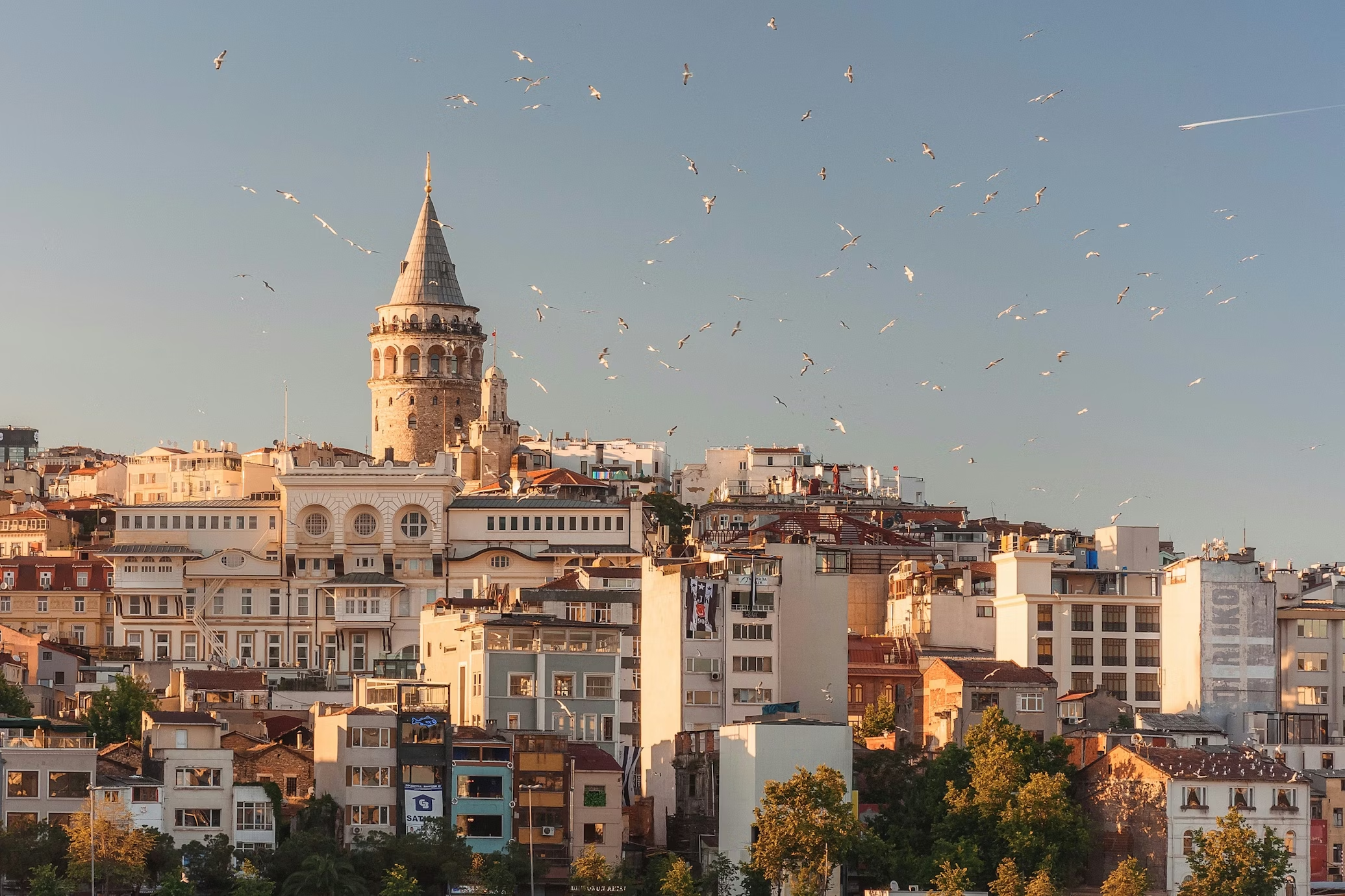
Industrial Islamism and Manipulation in Turkiye
Industrial Islamism dismantles the common assumption that Islamism in modern Turkey arose primarily from cultural nostalgia or religious resentment against Westernization. Instead, he locates its roots in the rise of a distinct social class, the faubourgeoisie, that emerged from Turkey’s accelerated post-Cold-War industrialization.
-

Decolonizing the Muslim Mind: Returning to al-Attas’ Vision
This essay argues that the challenges faced by the contemporary Muslim ummah cannot be resolved by political slogans, technical reforms, or cultural revivals alone. Instead, it calls for a deep decolonization of the Muslim intellect—an epistemological transformation that revives adab and re-establishes knowledge in its proper hierarchy.
-

Forsaken Daughter of The Ummah: The Regimes that Colluded on Aafia Siddiqui
Aafia Siddiqui’s ordeal exposes the aggression of American security doctrine, the obedience of the Pakistani state, and the paralysis of a Muslim public sphere. As a new push for her release develops, her case forces a reckoning with the machinery that consumed her and the timidity that enabled it.
-
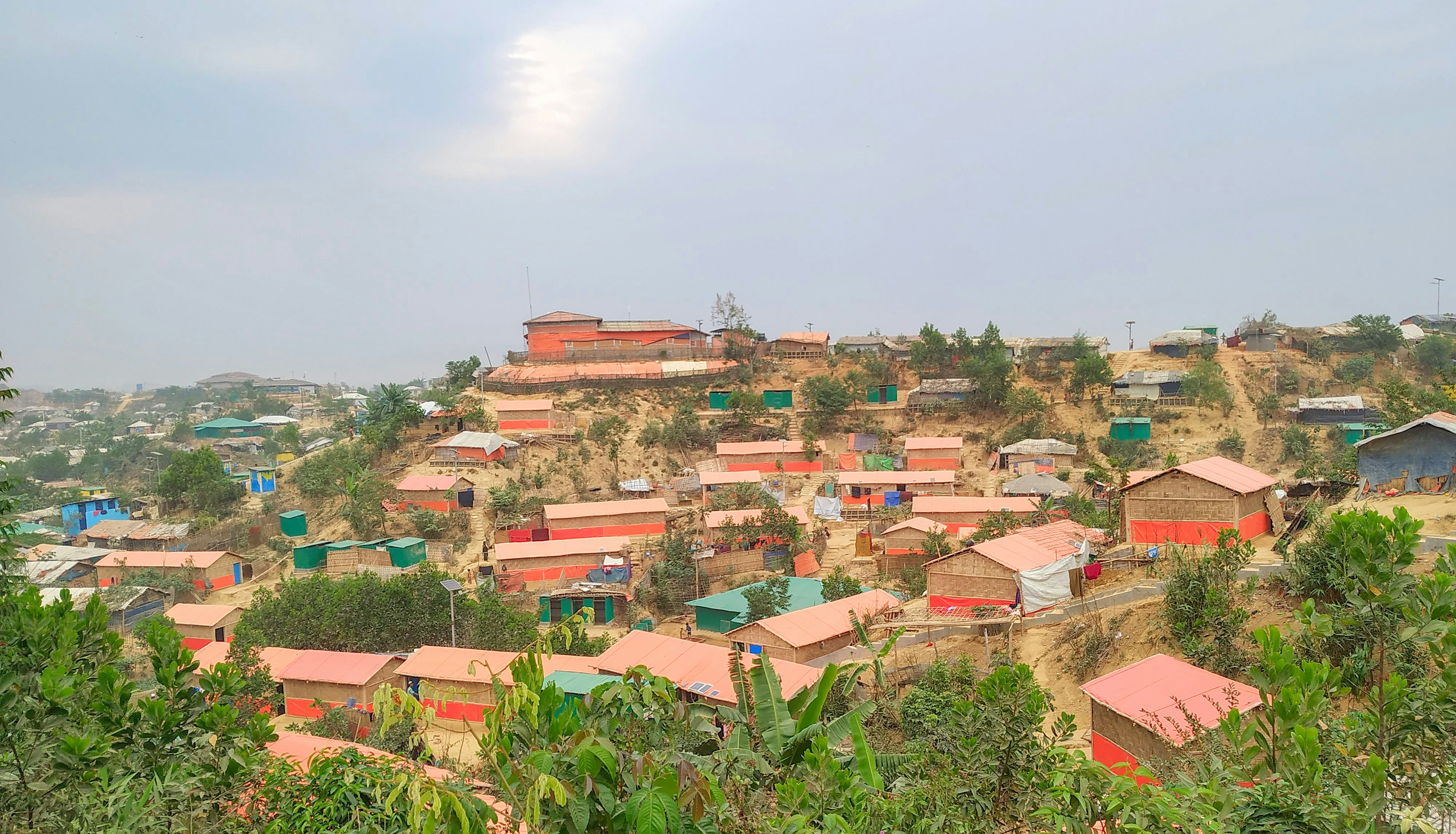
The Stateless Rohingya and Buddhist Nationalism
The Rohingya, a persecuted Muslim minority in Myanmar, face severe displacement and violence, with over 700,000 fleeing to Bangladesh due to ethnic cleansing. Their statelessness results from a deliberate denial of citizenship, fueled by Buddhist nationalism and state policies.
-
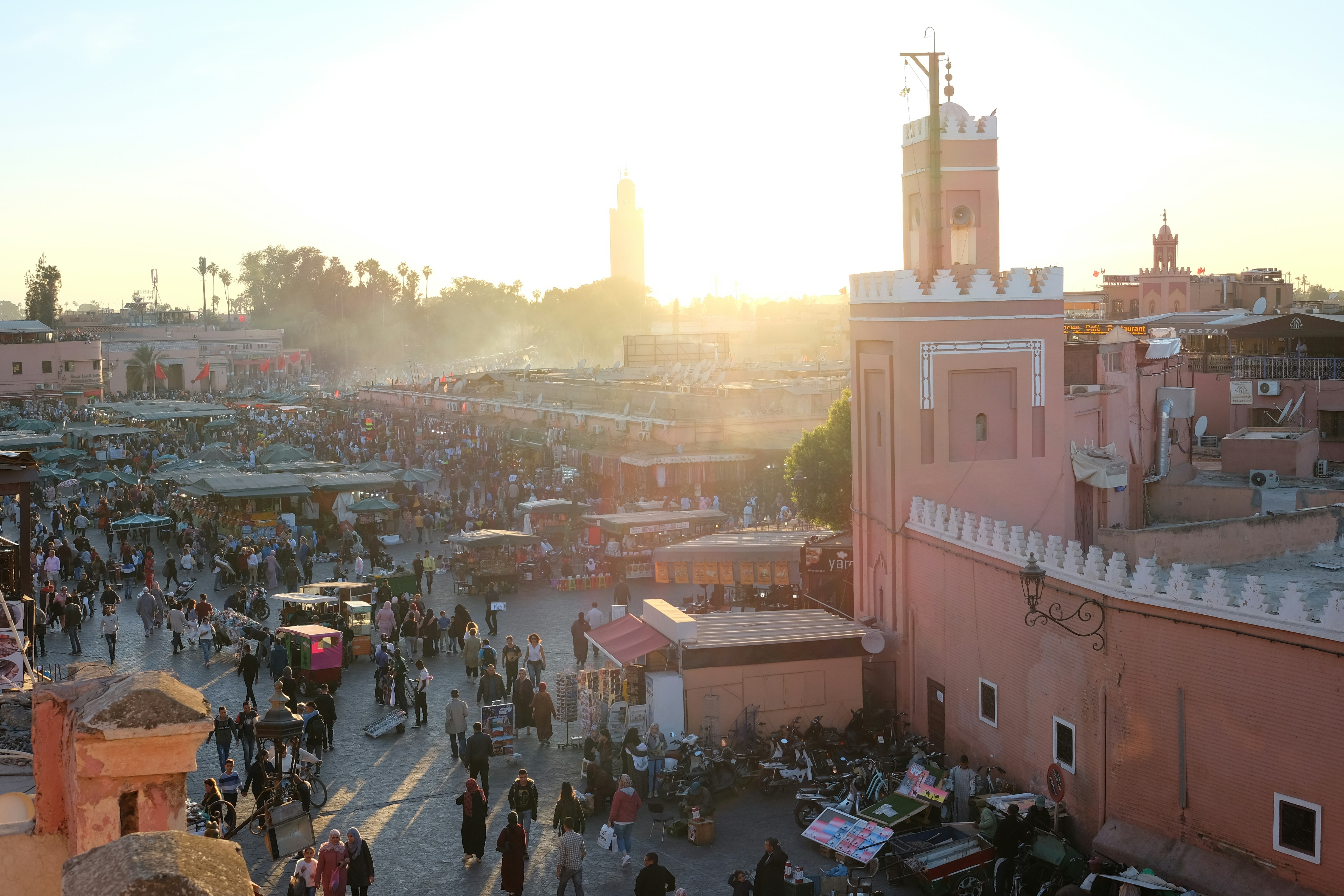
The Ramadan/Eid Bazaar
The Ramadan/Eid bazaar exemplifies the integration of morality within economic activities, fostering community connections while honoring religious values. By navigating the tension between secular and sacred realms, these bazaars help Muslims embody their ideals through practical engagement in economic life.
-

Muslim Characters in Media: A Response to Inclusion Initiative Report
Ultimately, industries operating in this framework herald change and representation whilst establishing no ideal to evolve towards. This means religious values—or any sort of system of ethic—are bent to ‘to modernity’s will’. It is negotiated in the public space, an issue I discussed previously here. That means far from showing hijab or praying five times…
-

From Darkness to Light
God gave humanity a special kind of life, unique from the attribute of life associated with the rest of His creation to test their ability to submit to His Will and act in conformance to His Command. This temporary life is punctuated by death, and then the afterlife, where one will reap what they sowed—virtue,…
-

Shah Waliullah’s Sheltering of Ibn Taymiyya in Mughal India: A Perso-Arabic Letter on the Damscene Polymath
Shah Waliullah’s response-letter to the unity of virtues, Mu’īn al-Dīn al-Thattāī. Its contents include the banishment of doubts in the speech of Shaykh Taqī al-Dīn Ahmad bin Taymiyya al-Hanbalī, and an exposition on his virtues and his ineffable appreciation amongst the Sunnī scholars; and a refutation who of those who seek to undermine his status,…
-
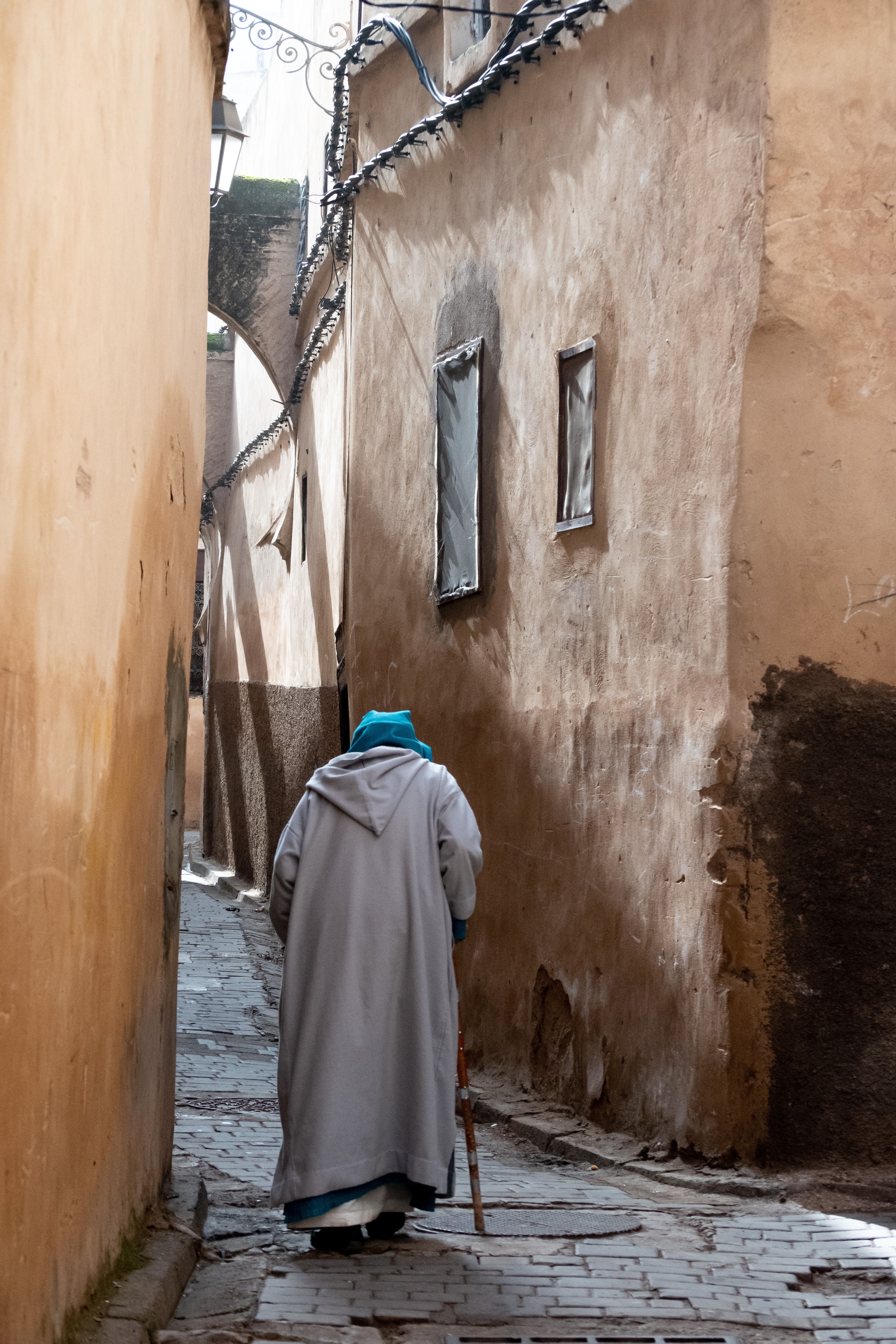
Glad Tidings to the Strangers
The rich history of the Muslim diaspora varies from culture to culture, but in every Western country where our children are raised, we are collectively othered. While our ethnic and racial differences may have been the first victims of bigotry, post-9/11 the West overtly turned its aggression onto our faith.
-

The Palestinian Conflict is an Islamic One
A version of this article was originally published here and has been republished with the author’s permission. Language is molded by perception and ideas, forming our worldview. It is not only how we communicate with others, but also how we construct our beliefs (something the media and the movie industry know all too well.) We…