
Tag: Muslims
-

Correspondence
And how good it feels to write again—to truly write!—with pen in hand, paper on desk, and the ink staining the edge of my palm as it rubs against the page to move to the next line! And to think that we’ve done away with the handwritten letter and replaced it with keyboards and touch…
-

From Morocco to Malabar: The Transnational Journey of Dalā’il al-Khayrāt Beyond Borders
n this article, the author examines the underexplored Sufi connections between North Africa and South Asia by analysing the core contents of the 15th-century Moroccan prayer manual, the Dalā’il al-Khayrāt.
-
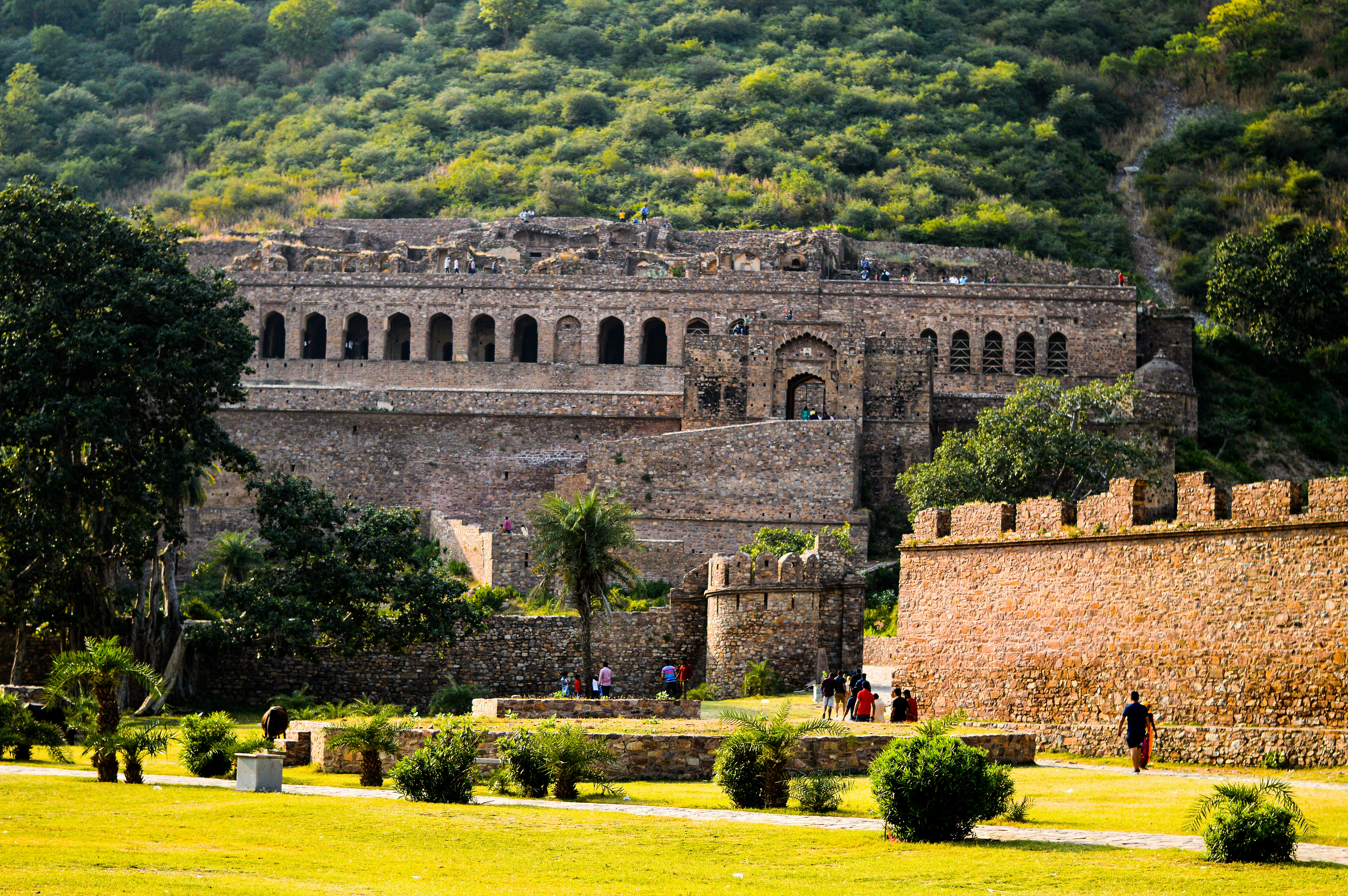
Book Review: Adeel Hussain’s Law and Muslim Political Thought in Late Colonial North India
Adeel Hussain’s Law and Muslim Political Thought in Late Colonial North India takes up this neglected decade, arguing that colonial legal debates—far from being a mere instrument of domination or governance—became a crucial site for the reconfiguration of Muslim political concepts.
-

The Day My Patient Called Me Son
During my sub-centre posting, there was a day I was posted alone. My co-interns were on leave, and the Medical Officer was expected to arrive late. So, it was just me, holding the fort. That morning, a woman in her sixties walked in with a warm smile. She instantly reminded me of my late grandmother—only…
-
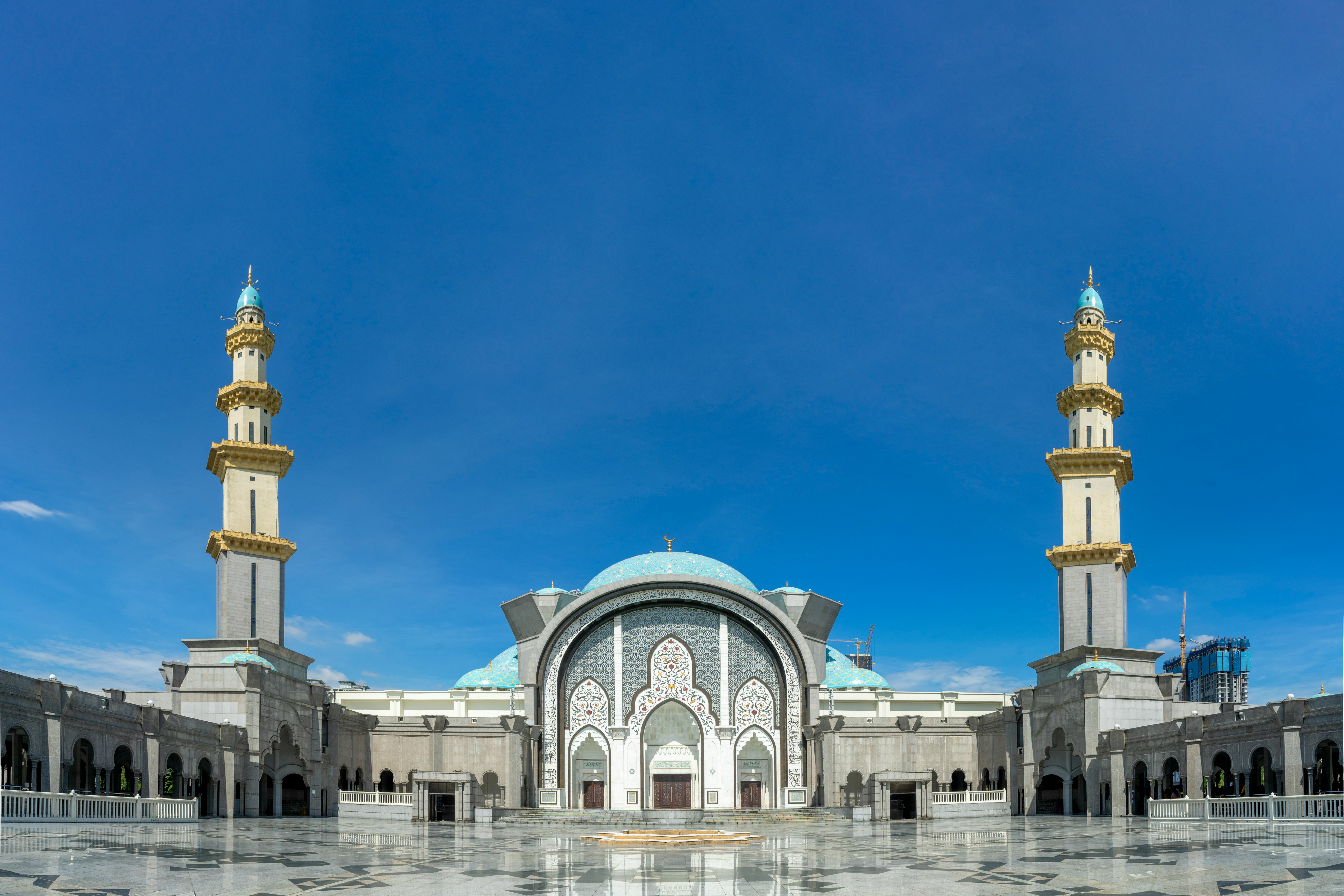
The Long Way Home: A Review of ‘Putting Everything in Its Proper Place’
Introduction This past Ramadan, the legendary Malaysian sufi and academician, Syed Muhammad Naquib al-Attas returned to the mercy of His Lord; a beautiful return for a life spent in service of the Qur’an. Many contemporary scholars regard him as the mujaddid (reviver) of the era owing to the incomparable gravitas that his oeuvre that stretches…
-

The Rise of Political Salafism in Bangladesh and Its Challenge to Traditional Sunni Authority
Bangladesh has a distinctive presence in global perceptions of the Muslim world. Its religious character has been shaped not by militant orthodoxy but by a multi-layered, syncretic Sunni culture that is bound up in centuries of Ḥanafī jurisprudence, Sufi devoutness and vernacular Islamic expression, with approximately 150 million Muslims making it the third-largest Muslim-majority nation…
-

Asabiyyah, Social Cohesion, and Moral Renewal: Ibn Khaldūn’s Insights for Contemporary Muslim Societies
The rapid movement to urban centers has disrupted traditional family ties and the sense of community within neighborhoods, while the overwhelming reach of digital connectivity has, paradoxically, diminished the richness of daily interactions that once fostered moral responsibility. Ibn Khaldun (d. 1406) stands out among pre-modern thinkers due to his systematic approach to analyzing the…
-

I am no Ibn Battuta
I have a friend who has travelled far and wide from the bustling streets of London to the dusty dunes of Mauritania and across the Islamic world. He often tells me that I am the true traveller and that he is not.
-

The New York Cycle and the Emergence of Muslim America
On New Year’s 2026, Zohran Mamdani will become New York City’s first Muslim mayor, symbolizing the growing Muslim presence in American politics. His election, though surprising, reflects a historical cycle of marginalized groups gaining influence. However, this rise poses risks of co-optation and challenges traditional political structures amidst a changing societal landscape.
-

After Bondi, Taking Responsibility
Shortly after the Bondi attack, on the quiet street in Canberra on which I live, an Australian flag appeared in front of one of the houses. Under normal circumstances that would be completely innocuous. But circumstances are not normal. Anyone who has been following happenings elsewhere can surmise what the flag might mean. Perhaps, and…