
Nun.
By the pen!
By all they write!1
And how good it feels to write again—to truly write!—with pen in hand, paper on desk, and the ink staining the edge of my palm as it rubs against the page to move to the next line! And to think that we’ve done away with the handwritten letter and replaced it with keyboards and touch screens. How much ground have we lost by calling it progress? And the death of the letter is minuscule compared to what else is being killed: the written word, the act of reading, silence, friendship, the pursuit of truth, and the combined result of losing all the others, the most devastating of all… the death of the human being.
Yet here I am, resisting! And to think I thought myself alone—the last highlander peering at the city from his mountains, seeing its limits grow further out and up, like a tumor on the neck, knocking down deep-rooted trees, inching closer. This was, of course, before I met you… before our paths crossed on that fateful day in that alleyway for our preordained meeting that set everything else into motion….
It was nothing short of a miracle, a mercy bestowed from The Bestower of Mercy. Long had I traversed life’s stage, passing from scene to scene, donning many roles, in search of this exact thing—a friend! Yes, I can tell you about many “friends” of mine (and I’m sure you can tell me about plenty of yours), but we’ve lost the art of it. The friendship seen today tries to make up in quantity what it lacks in quality; technology has enabled us to see, speak, and meet with more people in a year than our ancestors saw, spoke, and met with in their lifetimes, and our devices are almost always buzzing and ringing with word from someone, trivial or important. Yet there is no depth to these connections, and this pervasive, oppressive loneliness—which is uniquely ours—consumes us. And is that so surprising? What did we expect? The people of the past, literate or otherwise, knew the little available to them exceptionally well, anchored and aided by religion and ritual, not afraid to let their affairs first settle in the soul—quite unlike the constant availability today’s devices demand of us. What connection can I build with a person if he is aware of my every action and internal crisis? And what of value can I give them if I share things I’ve just heard, read, or discovered before I understand them? And we’re surprised we can’t connect with others when we’re not given the chance to journey within ourselves!
And so, when I sensed that you were different from the rest and you suggested that this be our means of communication, I felt utterly relieved and hopeful. To correspond in such a way is not just a matter of preference but of necessity. “If you obeyed most of those on earth, they would lead you away.”2 It is my strong belief that through this we will fully come to know each other. And this knowing—much like the knowing of the mystics—is one built on a complete trust. This trust, impossible today with all I’ve said before, is a true trust, an absolutely true trust. And this trust, this primordial covenant between two souls, is the highest aim of an earthly companionship. Let anyone who aspires to a genuine kind of friendship adopt this method here; they’ll see how quiet and lonely their life becomes when they suggest such an “antiquated” thing. The many “friends” most hold today are nothing but ghostly apparitions that loiter at desert ruins: they’ll either terrorize the one who makes their acquaintance or vanish into empty space.
This letter soars above both land & sea;
The winds still carry Qays’s poetry.3
References
Disclaimer: Material published by Traversing Tradition is meant to foster scholarly inquiry and rich discussion. The views, opinions, beliefs, or strategies represented in published articles and subsequent comments do not necessarily represent the views of Traversing Tradition or any employee thereof.
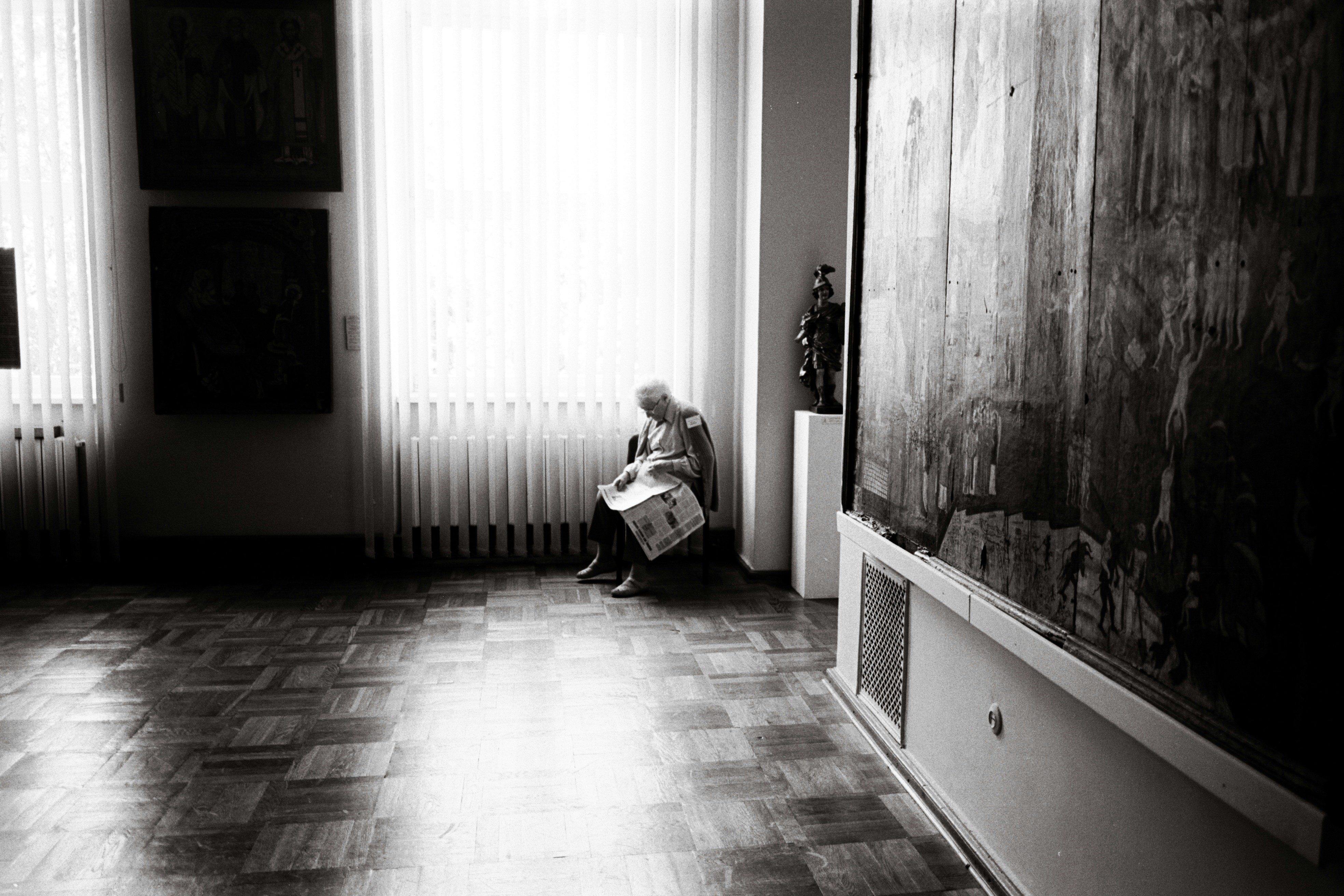
Photo by Onur Kurt on Unsplash
Harun Attar
Harun Attar is a US-based writer who advocates for the practical necessity of Islamic-themed fiction to help cultivate both mind and heart. He views storytelling as a timeless vehicle through which one can more effectively raise and answer important questions of the day, and he hopes his work will make a positive contribution to this.
Leave a Reply